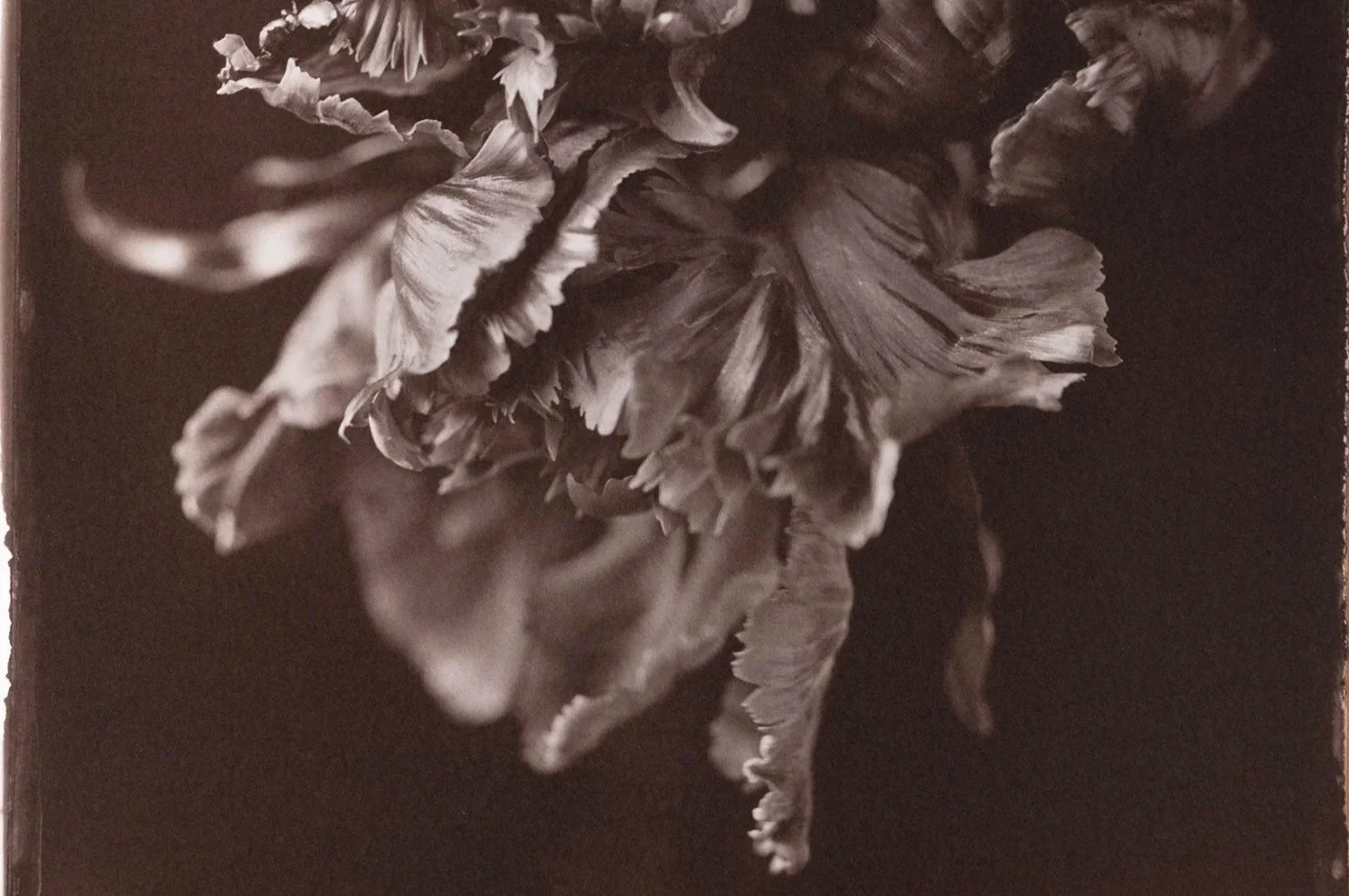
In my photography practice in general I find a directness in making images in camera, utilising the sciences of the natural world and my two hands to create a tangible description of where I see wonder in the world around me.
These are some of the photographic processes I use, each with their own inherent beauty and historic significance.
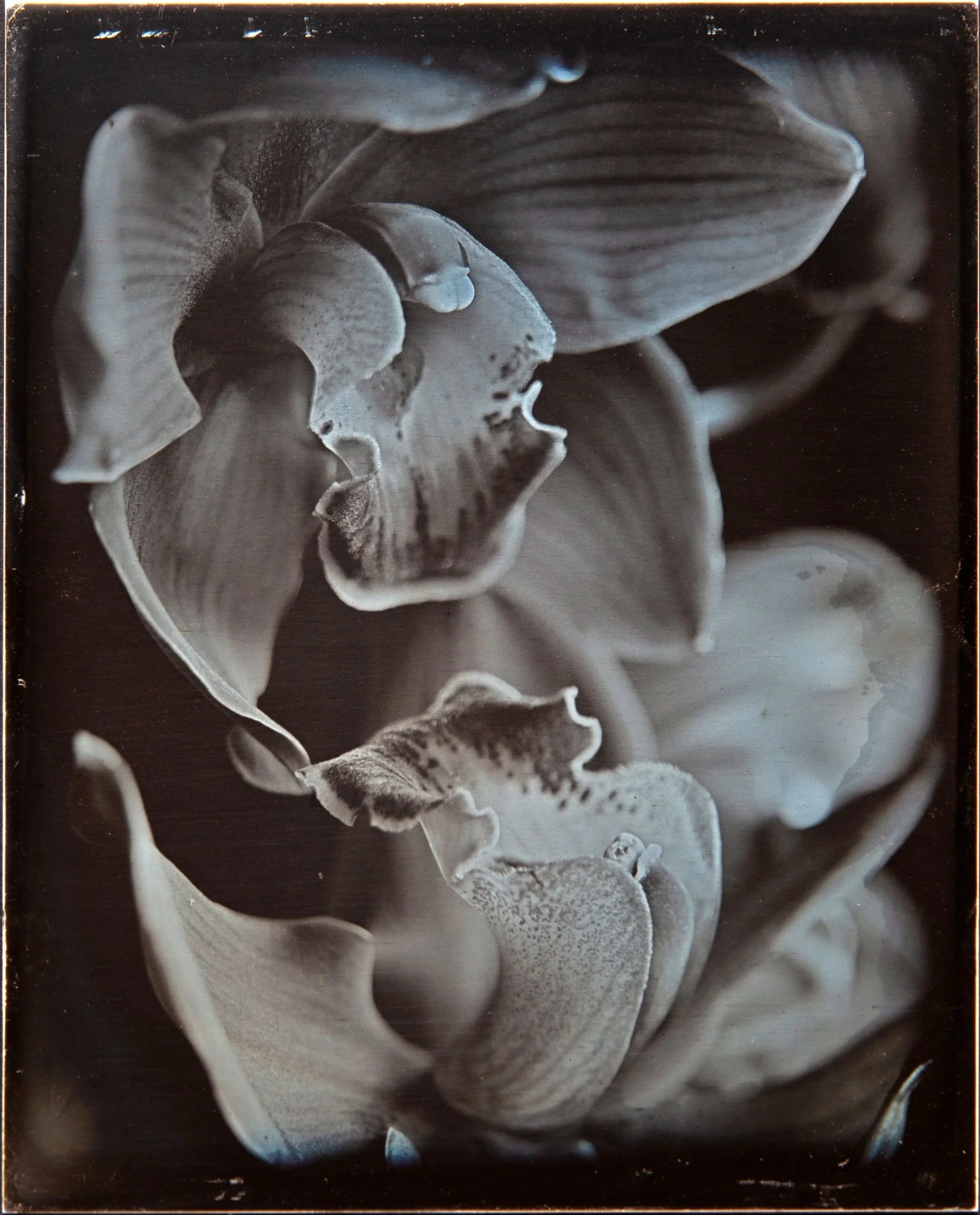
Daguerreotype
The world’s first widely practiced photographic process, the Daguerreotype was introduced in 1839. A highly polished piece of silver plated copper is made light sensitive with the vapours of Iodine and Bromine, exposed in a large format camera, and then the latent image developed with mercury vapour. The delicate image is made more stable by chemically ‘gilding’ in gold.
These photographic objects are captivating and beautiful, to hold one in the hand is to hold a small gleaming treasure. A Daguerreotype is an image made purely of Silver, Mercury and Gold, its surface interacts with light, reflections of the viewer and their surrounds.
I am completely enamoured with this process, no other image to me seems to have such luminous fine detail or delicate beauty. I am currently making Daguerreotypes in the traditional method, but am using solid fine silver sheet rather than plated copper.
Salt Printing
Salt printing is the oldest photographic printing method, dating back to the 1830’s and is the basis of negative to positive printing and modern analog photography. Salt printing offers one of the longest tonal range of all the alternative printing methods, in hues of chocolate brown. The colour of the print (warmer or cooler tones) varies with chemistry choice and toning methods. Cotton paper is coated in a two step process, first with a simple salt solution, and secondly with silver nitrate. This is a contact printing method, so a large format negative is used and the image is exposed with UV light.
Wet Plate Collodion
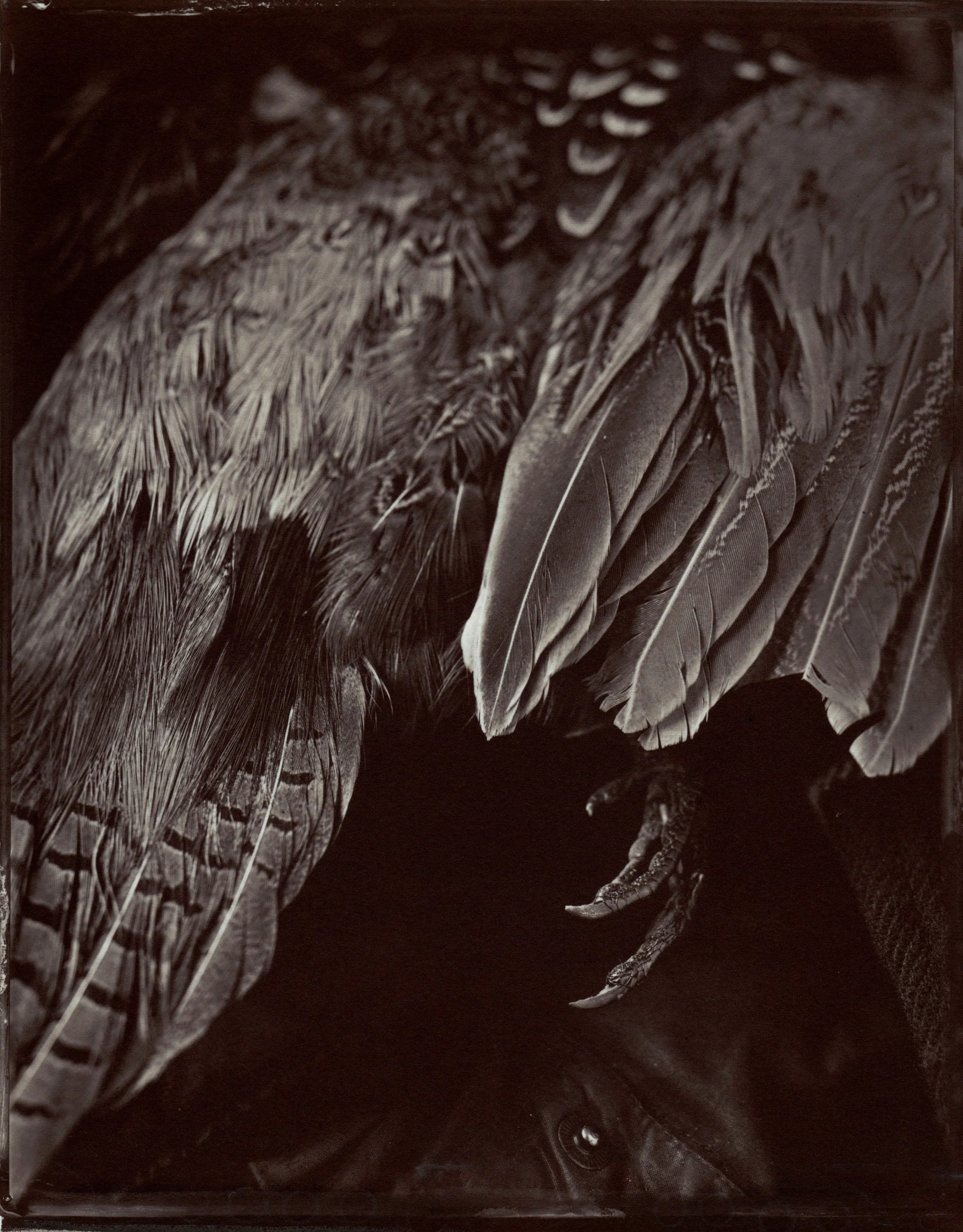
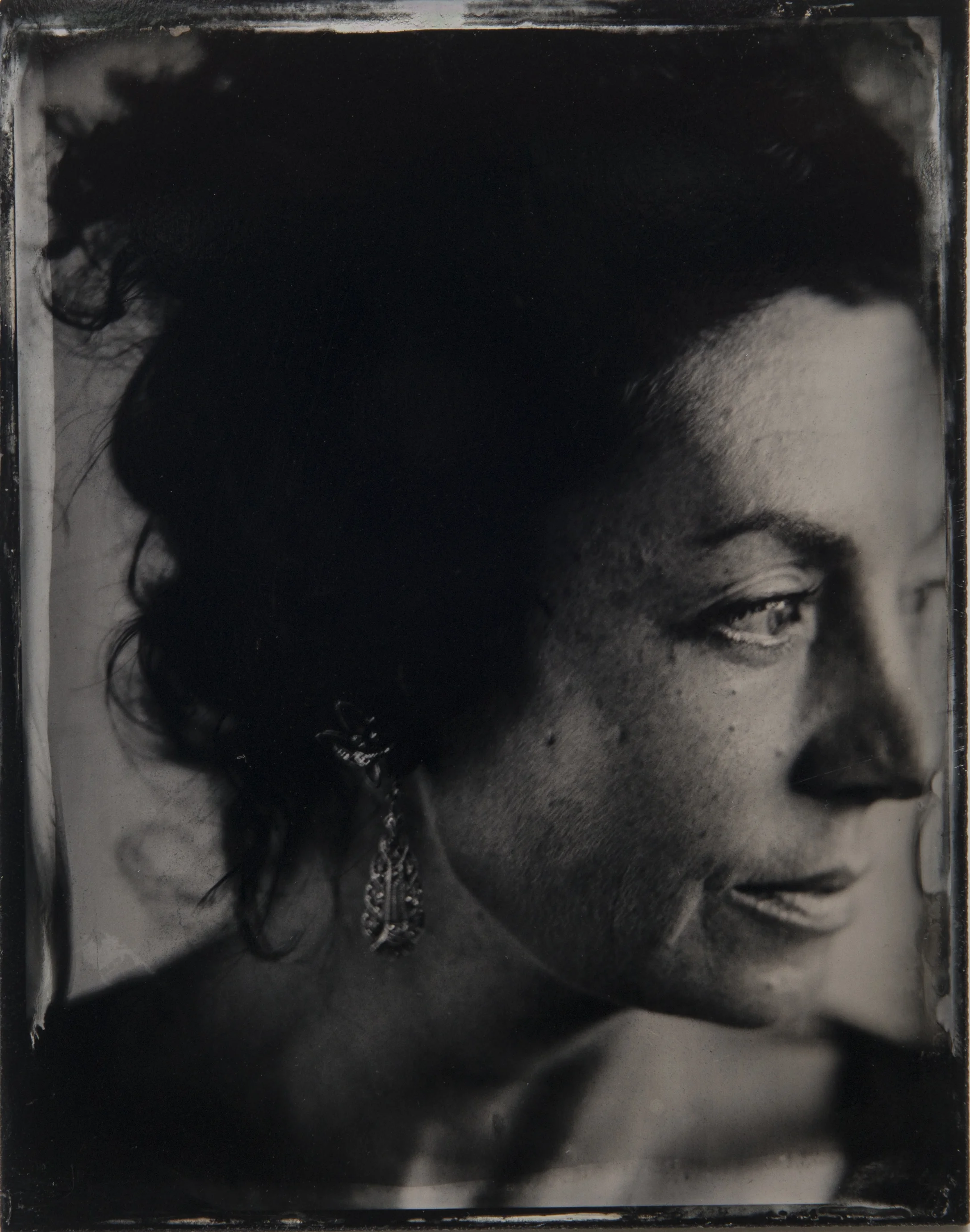
Wet plate photography dates back to the 1850’s, it is one of the earliest methods of photography. An emulsion of salted collodion, sensitised with silver nitrate is used to coat either glass or aluminium plates. Each plate must be loaded into the camera, exposed and developed while the emulsion is still wet. Apart from the hand made nature of these images, there are striking differences to the ‘look’ of modern image making. This is due in part to the sensitivity of the collodion emulsion to a narrow part of the light spectrum and also its slow response to that light.
Using black glass, or black coated aluminium a one off positive image is produced. Using clear glass, a negative may be produced. Wet plate glass negatives have incredible resolution and detail given that this is a virtually grainless emulsion, I enjoy using these negatives with a variety of printing methods.
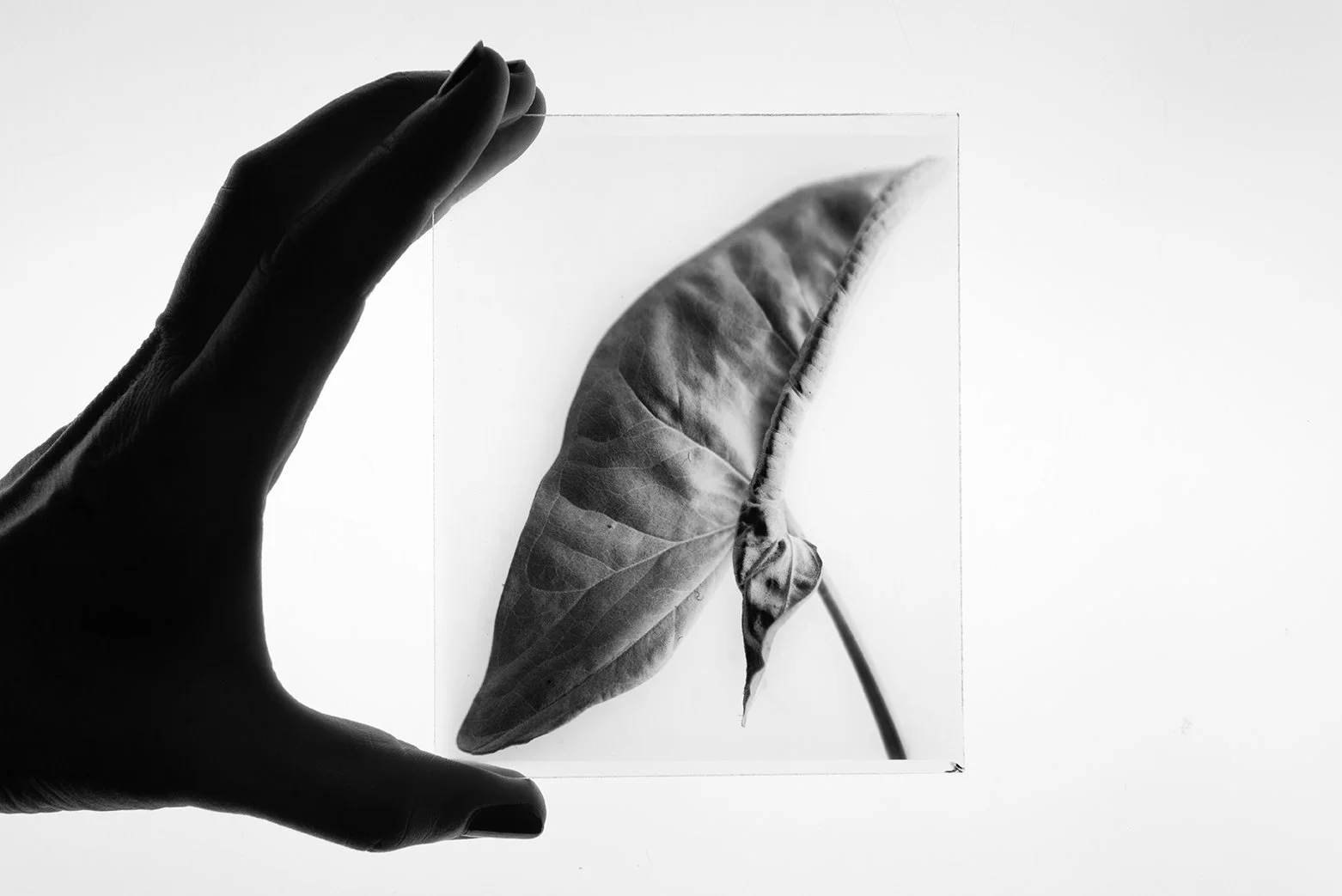
Silver Gelatin Dry Plate
By 1880 silver gelatin dry plates were being commercially manufactured and used by photographers in much of the world. They quickly took the place of wet collodion as the process used for negatives to print from.
I have been making my own emulsion for several years, and find it fascinating that only a handful of ingredients treated in the right way can create these beautiful negatives. I find them perfectly suited to the printing processes I use given the correct treatment.